
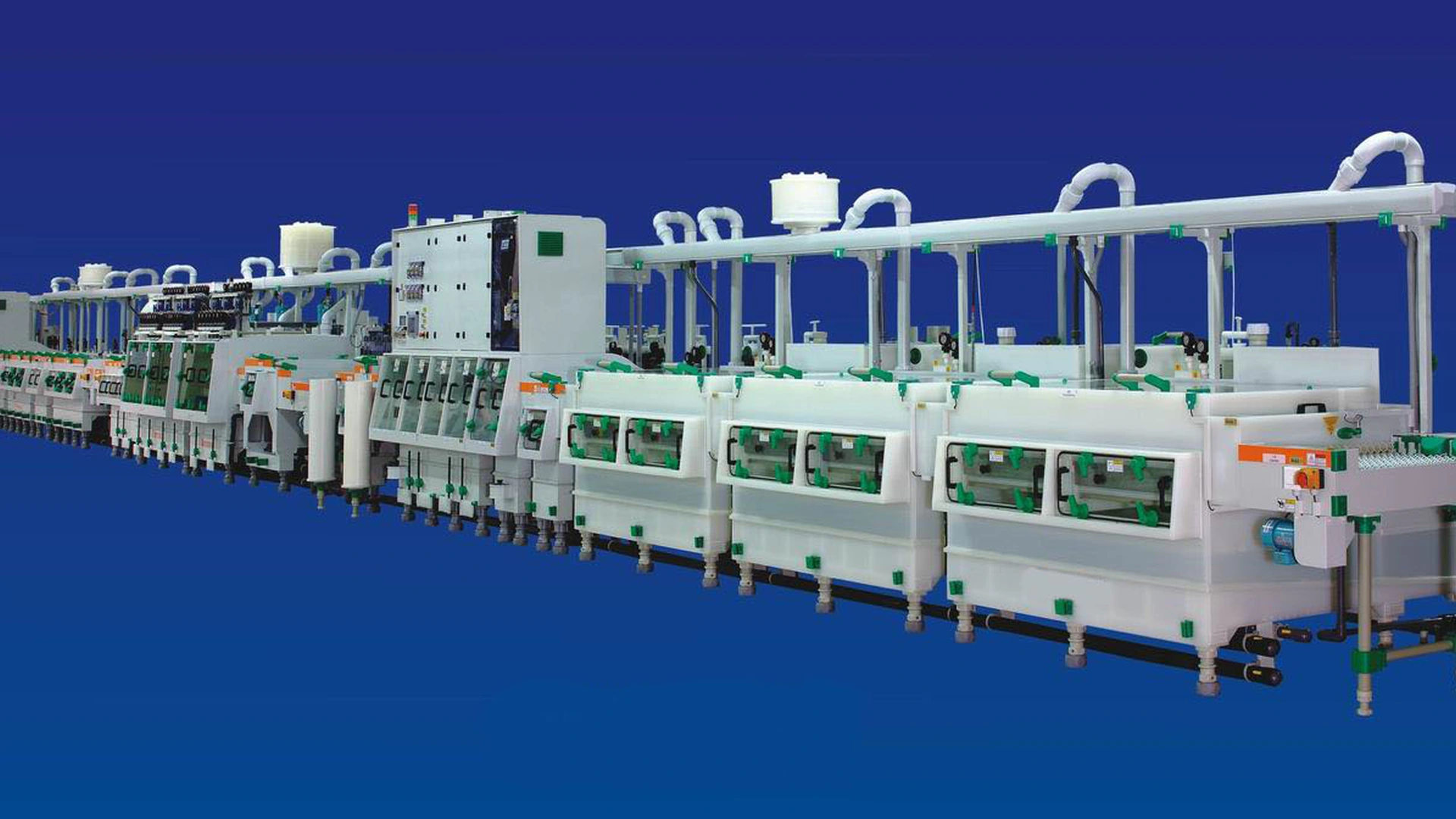
A PCB drying blower RFQ should let suppliers quote the same duty and show what evidence will be required before the equipment is accepted. The buyer’s task is to state the process basis, distinguish verified values from estimates, collect exact-model submittals and agree how the finished dryer will be checked. This is a procurement and acceptance checklist, not a method for calculating airflow or pipe loss.
An incomplete brief can make two quotations appear comparable when they assume different nozzle layouts, pipe routes or test conditions. Keep unknowns visible and assign a method for resolving them before they become an undocumented promise.
Quick answer: what must the PCB drying blower RFQ require?
Provide the product and production modes, the defined dryer-exit requirement, the air duty and its measurement boundary if established, the intended air-delivery arrangement, electrical and installation constraints, and the evidence bidders must return. Require each supplier to state assumptions, exclusions and any departure from the buyer’s basis. State separately which factory and site checks are requested or contractually agreed.
State the buyer’s process and duty basis
Use one requirement sheet for all bidders. List PCB types and orientations, conveyor modes, working width, air-knife or nozzle configuration and the required condition at dryer exit. Identify the production cases that will be used to judge the proposal. The engineering sizing method belongs in a separate duty calculation; this brief records its result and any uncertainty, not a new calculation.
| Buyer field | Information to state | Status to mark |
|---|---|---|
| Process result | Board types and acceptable dryer-exit condition for each required mode | Required or still to be agreed |
| Air duty | Flow and pressure together, with operating condition and measurement location | Measured, calculated/estimated, or TBD |
| Air-delivery basis | Nozzle/knife count and arrangement, filters, pipe route and reused parts | Drawing revision and known exceptions |
| Site interfaces | Electrical supply, controls, mounting envelope and wet-area constraints | Confirmed or open |
| Acceptance scope | Required modes, checks, records and responsibility for sign-off | Requested or agreed |
Do not turn an estimated pressure or an unmeasured nozzle loss into an unconditional guaranteed value. If duty data is missing, keep the item open and require an agreed measurement or engineering review before final model selection.
Request exact-model technical submittals
Ask the supplier to identify the proposed model and configuration, not merely a product family. The response should mark the quoted flow and pressure on model-specific performance information and state the curve conditions and operating speed. Request predicted electrical input at that duty only where supported by the supplier’s data; do not substitute nameplate power for a measured operating result.
Obtain dimensioned inlet, outlet and mounting drawings; connection and adapter details; cooling and service-access needs; applicable electrical supply and controller information; command and feedback signals; and any limits relevant to the quoted operating modes. For wet process areas, require the supplier to identify permitted inlet-air conditions, filtration and drainage assumptions, and materials or protection relevant to the proposed installation. These are requested submittals, not claims that a particular model already meets an unverified condition.
Make supplier quotations comparable
Use the same response matrix for each bid. Require an explicit answer for the air-duty basis, included components, installation interfaces, control scope, documents, exclusions and unresolved assumptions. A bidder who assumes a shorter pipe route or changes the air-knife arrangement should flag that change so the buyer can compare like with like.
| Comparison item | Supplier response to request |
|---|---|
| Duty and curve | Exact-model operating point, curve conditions and deviations from the buyer’s stated duty |
| Scope | Included blower, controller, filters, silencers, adapters and other named items |
| Interfaces | Connection drawing, electrical/control details and access requirements |
| Exceptions | Assumptions about nozzle, pipe, filter, ambient conditions or reused equipment |
| Verification | Proposed records, measurement points and any test limits offered for agreement |
Keep an exception log with the owner and closure date for each open item. A quoted price is not a technical comparison if one proposal includes the required accessories and another excludes them.
Define factory checks only when they are in scope
If a factory acceptance test (FAT) is requested, specify which model and configuration will be checked, the operating mode, instruments, measurement locations, records and pass/fail criteria. Agree what can actually be demonstrated at the supplier’s facility. A component test cannot by itself prove dryer-exit quality on the assembled PCB line.
Where no FAT is in the contract, do not describe one as completed or guaranteed. Instead, record the documentary evidence or interface checks that the buyer expects before shipment and which site checks remain outstanding.
Define site commissioning and dryer-exit acceptance
Agree which PCB products, conveyor speeds and nozzle/filter configurations will be used at site. State who records the pressure or flow readings, where the taps or instruments are located, and who assesses residual moisture at the dryer exit. The buyer and supplier should also agree how run commands, alarm response and operating modes will be witnessed where these functions are in scope.
Separate a successful first start from process acceptance. A blower may start and show pressure while edge features remain wet. Record the agreed conditions and observed result before sign-off; do not present a proposed test as evidence that it has already passed. Any energy comparison should use equivalent acceptable output and measured electrical input, with its method documented.
Close exceptions and assemble the final submittal pack
Before purchase, identify unresolved air duty, nozzle resistance, pipe loss and wet-area assumptions as hold points. Before delivery, check the agreed drawings, model identification, scope and available test records. Before production release, confirm the agreed site evidence and outstanding corrective actions. Each hold point needs an owner; a blank cell is not an accepted assumption.
The final pack should contain the approved technical brief, supplier response and exceptions, exact-model documents, agreed verification plan and the records actually produced. Keep requested guarantees distinct from guarantees explicitly accepted in the contract.
PCB blower RFQ and acceptance questions
What is the minimum performance evidence to request from a bidder?
Request the exact model’s flow-pressure information with the proposed duty marked, its stated conditions, and a written list of assumptions and exclusions. Ask for input-power evidence at the quoted duty if the comparison depends on it.
How should non-equivalent bids be compared?
Normalize the stated process, air-path and accessory scope first. Record any changed nozzle arrangement, pipe allowance or component exclusion as an exception; resolve the technical effect before treating prices as comparable.
Does a FAT replace testing on the PCB line?
No. A factory check can support agreed component and interface requirements, but dryer-exit quality under the line’s required products and modes must be assessed on the assembled system if that is the acceptance criterion.
What should a buyer send for a supplier response?
Send the draft requirement sheet, duty basis and its source, layout and interface drawings, open-item list, and proposed acceptance scope. Ask Towwind to return exact-model documents, stated exceptions and a proposed evidence plan for review; no live URL or test result is implied by this request.