
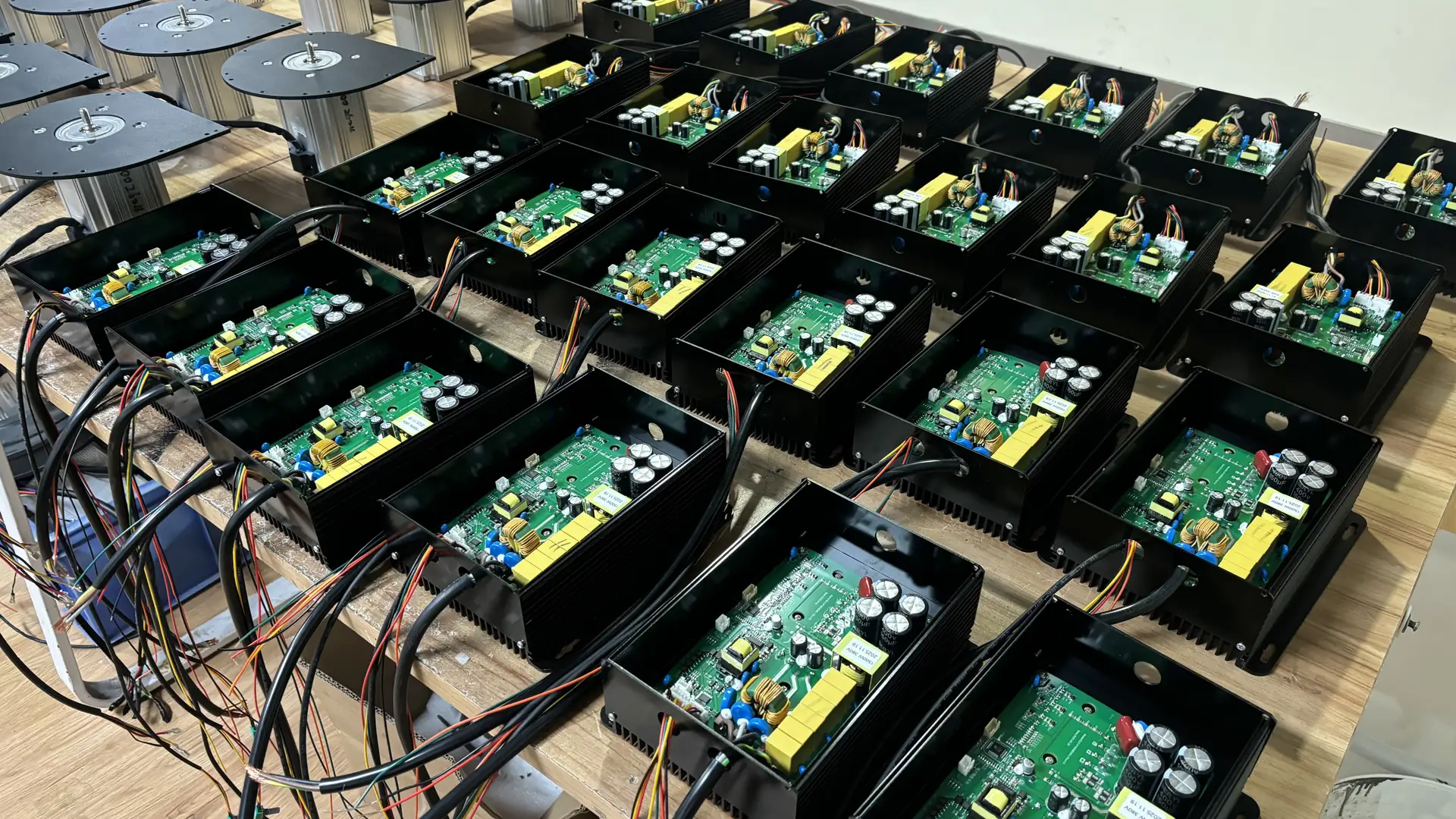
A blower nameplate may show 1.5 kW, 3 kW or 4 kW, but that number does not tell a buyer how much air reaches the process at the required pressure. It also does not prove how much electricity the package consumes during normal production. Motor power is an important electrical limit; it is not a blower performance curve.
This distinction is essential when replacing a traditional ring blower with a lower-rated energy saving blower. A successful replacement is possible when the new unit covers the real airflow-pressure duty and passes the process test. It is not proven by subtracting one nameplate value from another.
Quick Answer
Motor power describes rated electrical or mechanical capacity under defined conditions. Blower performance depends on the aerodynamic stage, impeller geometry, speed, motor and controller efficiency, system resistance and the resulting operating point.
Compare blowers by airflow at the required pressure, permitted operating range, measured complete-package input and equivalent process output. Use motor kW for electrical planning and boundary checks, not as a substitute for curve data.
What a Motor Rating Actually Tells You
The nameplate rating identifies the motor’s nominal capacity or rated output/input basis according to its design and applicable standard. It helps engineers review supply voltage, phase, current, protection, cable and thermal loading.
It does not directly state:
- delivered airflow;
- developed pressure or vacuum;
- blower efficiency;
- actual input at a particular duty;
- process result; or
- annual energy consumption.
Those values depend on the complete machine and how it operates in the connected system. Even two products with identical nameplate kW can have different curves and input power at the same duty.
The Blower Stage Converts Motor Output into Air
The motor drives an impeller or other aerodynamic element. Geometry, clearances, speed and air path determine how effectively mechanical input becomes airflow and pressure. Losses occur in the motor, controller, bearings, aerodynamic stage and internal passages.
A higher-speed optimized package can produce a different pressure-flow relationship from a conventional ring blower with a larger motor. That does not mean a smaller motor always replaces a larger one. It means the correct comparison is the delivered duty and input at that duty.
The exact curve remains the governing evidence. Product labels such as high-speed, BLDC or energy saving do not remove the need to verify it.
System Resistance Determines Where the Blower Operates
The connected filter, pipe, fittings, valves, manifold and terminal devices create a system curve. The blower curve intersects that resistance curve at the actual operating point.
An oversized 4 kW blower may operate against a partly closed valve because the process needs much less air. A well-matched 1.5 or 2 kW package might cover the same useful point with lower input. In another machine, the 4 kW unit may operate near a demanding pressure-flow point that a smaller blower cannot reach.
The nameplates look similar in both scenarios. Only operating-point evidence separates a real opportunity from a risky downsize.
Rated Power Is Not Measured Consumption
Annual energy should be calculated from actual electrical input over time. A 4 kW motor does not necessarily draw exactly 4 kW during every operating hour. Load, efficiency, power factor, controls and production modes affect the input.
Likewise, a proposed 1.5 kW package does not automatically consume 1.5 kWh per hour under every condition. Measure active power or accumulated kWh at the incoming supply to the complete package, including its controller.
Do not estimate savings with:
(old nameplate kW – new nameplate kW) ÷ old nameplate kW
That calculation compares ratings rather than equivalent measured work.
Why Current Alone Is Also Incomplete
Current is important for electrical loading and diagnostics, but amperes alone are not active power. Voltage, phase, power factor and waveform matter. A three-phase input needs the appropriate measurement method, and electronically controlled equipment may require a suitable true-power meter.
For energy comparison, use a calibrated power analyser or revenue-style energy meter installed according to site procedure. Record voltage, current, active power, power factor and accumulated energy where available.
Current trends remain useful for maintenance. A change at the same operating condition can indicate increased load, restriction, supply problems or equipment faults. It should be interpreted with pressure, flow, command and temperature.
Four Blower Values That Must Stay Separate
Buyers commonly mix four different numbers:
- Motor rated power: a nameplate capacity value.
- Electrical input power: real power drawn under a stated condition.
- Shaft or mechanical power: output available from the motor after electrical losses.
- Useful air power: airflow multiplied by pressure difference under compatible units.
The differences between these values represent conversion losses and measurement boundaries. A quotation should identify which power figure it uses.
Comparing one supplier’s motor output with another supplier’s package input can create a false efficiency conclusion. Use the same system boundary for both.
Why a Larger Motor Can Still Be the Wrong Choice
A larger motor may provide capacity margin, but unnecessary capacity can create costs. The blower may run far from an efficient region, waste pressure across a throttle valve, generate excess heat or make process control difficult.
Oversized air can disturb products, over-aerate a process or increase noise. It can also hide restrictive piping because the large blower forces enough air through a poor layout.
Capacity margin should address defined uncertainty and peak demand. It should not compensate for an unknown operating point.
Why a Smaller Motor Can Also Be the Wrong Choice
Selecting the lowest rated kW for an energy target can leave too little pressure or flow. The unit may run at maximum command continuously, overheat, draw excessive current or fail when a filter loads.
Production may slow, drying quality may fall or aeration may become unsafe. Any electrical reduction achieved by supplying less useful air is not a valid saving.
A smaller candidate needs stronger evidence as the rating gap increases. Plot the actual peak point on its curve and conduct a representative process trial.
Model Data Required for Selection
Confirm the selected model’s current specification, pressure-flow curve, electrical nameplate and installation requirements before assigning an operating point.
For model screening, request the current pressure-flow curve and electrical data for the exact proposed unit; do not combine separate catalogue endpoints into one operating point.
Verify the exact model’s usable control range, electrical supply, protection rating and performance from its current documentation; test the proposed setting against the process requirement.
How to Evaluate a Lower-Power Replacement
Before removing the existing blower:
- Inspect filters, valves, leaks, pipework and terminal devices.
- Record the existing nameplate and control arrangement.
- Measure pressure at labelled points.
- Measure airflow with a suitable method where possible.
- Log complete-package active power or kWh.
- Record product, speed, active outlets and accepted result.
- Capture normal and demanding modes.
Send these data to the supplier. Ask for the exact proposed curve with the points marked, predicted power or current at duty, permitted region and all assumptions.
Compare Process Output Before Energy
Define acceptance before the trial. A dryer should process the same product at the same line speed and dryness standard. An aeration blower should support the same validated oxygen or mixing requirement. A cleaning system should meet the same defined surface result.
Only after equivalence is established should input power be compared. This order prevents a lower electrical reading from being presented as efficiency when the system is simply doing less work.
Use representative hours for annual estimates. Include production, standby and other material modes rather than multiplying one convenient reading by all calendar hours.
A Procurement Comparison Table
| Item | Existing blower | Proposed blower |
|---|---|---|
| Motor rating | Record nameplate | Record exact model |
| Actual duty | Measured/calculated airflow at pressure | Curve evidence at same duty |
| Process result | Document accepted baseline | Must meet baseline |
| Electrical input | Measured on defined boundary | Measured/predicted on same boundary |
| Control modes | Record valves, drive and hours | Confirm commands, alarms and turndown |
| Installation | Existing interfaces | Include adapters, wiring and PLC work |
| Maintenance | History and spares | Warranty, service and spare route |
This makes rated power one row rather than the whole decision.
Energy-Saving Claims Need Site Evidence
A smaller motor rating alone does not establish energy savings. Compare measured electrical input at the same accepted airflow, pressure and process output over representative operating hours.
Calculate annual energy from measured average input in each mode multiplied by annual hours. Apply the site’s electricity tariff to the verified kWh difference. Keep maintenance, downtime and capacity effects separate unless supported by records.
If the proposed blower fails peak duty or requires slower production, stop the comparison and correct the selection.
Final Recommendation
Use motor power to design the electrical system and identify product boundaries. Use airflow, pressure, the performance curve and process acceptance to determine blower suitability. Use measured package input and operating hours to determine energy cost.
For a Towwind recommendation, provide the old nameplate plus actual pressure, airflow evidence, power, production modes, system layout, voltage and acceptance result. This information can show whether a lower-rated model is a credible match without turning a kW difference into an unsupported promise.
Frequently Asked Questions
Does a 4 kW blower always deliver more air than a 2 kW blower?
No. Delivered air depends on the blower designs and the required pressure. Compare their curves at the same operating point.
Is motor nameplate kW the same as actual electrical input?
Not necessarily. Measure active input power or accumulated energy under the stated operating condition and include the controller where applicable.
Can a 1.5 kW blower replace a 3 kW ring blower?
It may when the old unit is oversized and the 1.5 kW candidate covers the verified duty with margin. The process must pass a representative trial.
Why should power factor be considered?
Current and apparent power do not equal active energy use. Power factor is part of the electrical relationship, so use a suitable true-power measurement.
What should buyers request besides motor power?
Request airflow at required pressure, the exact curve, permitted range, predicted input at duty, electrical data, controls, assumptions and a process acceptance plan.