
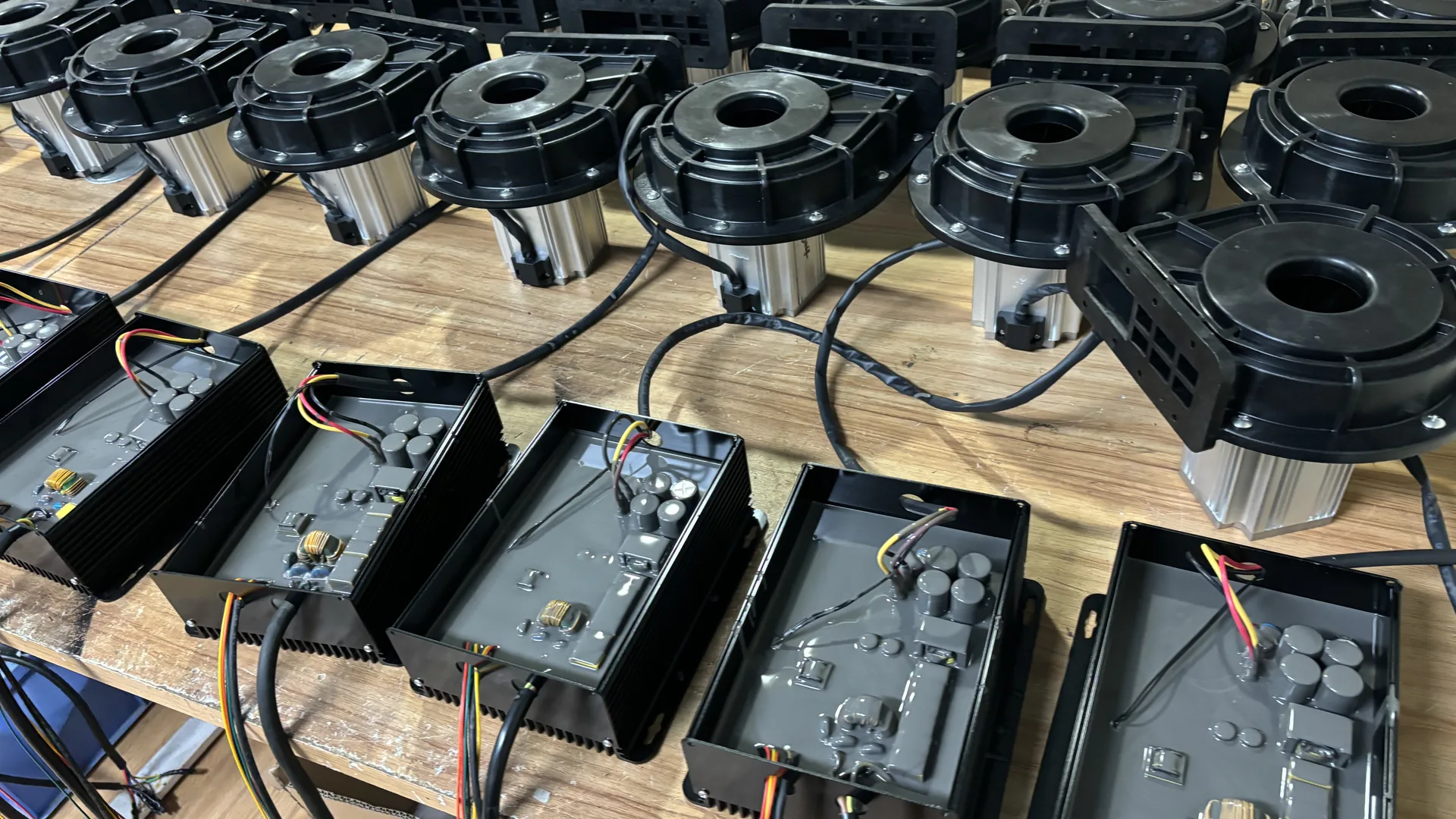
Higher temperature generally accelerates aging in motor insulation, bearings, electronic components, seals and connections. Yet “blower temperature” is not one reading. Ambient air, cooling-air intake, motor winding, bearing area, controller and process air can all have different temperatures.
Use the selected model’s final manual for limits and sensor meanings. Record stable commissioning values at known airflow, pressure, speed and ambient conditions, then trend the same points. A rising temperature at unchanged duty is evidence to inspect filters, cooling paths, cabinet ventilation, electrical supply and the blower operating point before a trip or failure occurs.
Why Heat Matters
Every blower converts some electrical input into heat. That heat must pass through internal materials and surfaces to cooling air, then leave the machine or cabinet. If generation exceeds removal, temperature rises until protection intervenes or components operate under increased stress.
Heat can affect:
- motor insulation and winding materials;
- controller capacitors and power electronics;
- bearing lubricant and clearances;
- connectors and terminal tightness;
- sensor accuracy;
- seals and polymer components;
- speed and power derating;
- alarm and trip frequency.
The exact relationship between temperature and life is component- and design-specific. Avoid applying a generic “every X degrees halves life” rule unless the component manufacturer and test basis support it for the selected equipment.
The Temperatures Are Not Interchangeable
Ambient temperature
This is the air surrounding the equipment, but room temperature may not equal the air reaching the blower. A closed cabinet or nearby hot process can create a much hotter local environment.
Cooling-air intake temperature
This directly affects the blower’s ability to reject heat. Measure it at the relevant intake, not across the room.
Process-air temperature
The air being moved may carry heat from a process. Its allowed range must be checked separately from cabinet ambient.
Motor temperature
An internal sensor may estimate or measure a specific motor location. The value and trip logic are model-specific.
Controller temperature
Electronic components may have their own sensor and limit. A cool blower casing does not prove that a controller inside a stagnant cabinet is cool.
Bearing or housing temperature
Surface measurements can support trends, but they do not equal internal bearing temperature. Keep the location and instrument consistent.
A useful report names each point rather than writing one unlabeled “temperature.”
Ambient Heat Reduces Cooling Margin
Heat transfer depends partly on the temperature difference between the equipment and the cooling air. When ambient temperature rises, less margin remains before internal limits are reached.
This is why a blower can run normally during a cool commissioning test but alarm during summer production. Other equipment in the cabinet may also add heat after the machine is fully loaded.
Before purchase, provide the supplier with the credible minimum and maximum site temperature. Include solar gain, nearby ovens, enclosure location and seasonal conditions. If the site is at altitude, lower air density may also affect cooling and performance.
Operating Point Changes Heat Generation
Airflow, pressure, speed and electrical input change along the blower curve. A restrictive system, higher speed command or unexpected production mode can alter internal losses and temperature.
Select the blower at the required airflow-and-pressure point rather than by motor kilowatts. Maximum airflow and maximum pressure are separate endpoints and are not available simultaneously.
Check all normal modes. The highest-pressure condition may not be the electrically or thermally most demanding state. Ask the supplier to confirm continuous-duty suitability across the intended range.
Blocked Cooling Air Causes Local Heat
Cooling can deteriorate even when the room remains unchanged. Common causes include:
- dust on vents or heat-transfer surfaces;
- loaded cabinet filters;
- failed or reversed cabinet fans;
- insufficient clearance to a wall;
- stored material blocking an intake;
- acoustic foam covering ventilation openings;
- hot exhaust recirculating to the intake;
- cable bundles or added components obstructing airflow.
Map where cooling air enters and exits. Process-air and cooling-air filters may be separate, so servicing one does not guarantee the other is clean.
Filter Loading Can Create a Thermal Chain
A dirty process-air filter adds inlet resistance. In a variable-speed system, the controller may increase speed to preserve airflow, increasing electrical and thermal load. In a fixed-speed system, airflow can fall and the electrical response will depend on the blower curve.
At the same time, dust may load the cabinet cooling filter. The machine then generates or retains more heat while less cooling air reaches it.
Trend process-filter differential pressure, cooling-filter condition, speed, true input power and temperature together. This exposes the chain before operators compensate by increasing speed again.
Bearings Are Temperature-Sensitive
Bearing life depends on speed, load, lubrication, contamination, alignment and temperature. Excess heat can affect lubricant condition and internal clearances. Unusual friction can in turn add more heat.
Bearing life and service requirements depend on load, temperature, installation and contamination. Follow the selected model’s manual and approved service procedure rather than assuming a bearing specification or interval.
Watch for rising housing temperature combined with new vibration or mechanical noise. Do not add lubricant unless the exact model manual provides an approved procedure. Escalate a rapid change rather than continuing to operate until an alarm occurs.
Electrical Problems Can Appear as Heat
Low or unstable voltage, phase imbalance, loose terminals and incorrect wiring can increase losses or create localized heating. On three-phase equipment, check all applicable phase values. Use qualified personnel and approved instruments.
With BLDC blowers and electronic controllers, follow the manufacturer’s electrical test guidance. A simple handheld current value may not represent true input power. Preserve fault codes and controller temperature data before resetting when safe.
If an electrical cabinet repeatedly runs hot, assess total cabinet heat load, not only the blower. Power supplies, drives and transformers may be substantial contributors.
Start-Stop Cycles and Thermal Cycling
Repeated heating and cooling can stress connections, electronics and mechanical fits. A process that commands frequent short cycles may create a different life condition from steady continuous operation, even when annual running hours are similar.
Define the real start frequency and minimum run time. Where permitted, controlled reduced-speed standby may be compared with complete cycling. The final decision must follow the model manual and process safety requirements.
A Practical Temperature-Monitoring Plan
1. Define measurement points
Use controller values and external points approved for the model. Mark external locations so future readings are repeatable.
2. Establish the baseline
Record temperatures after the system stabilizes at each important operating state. Include the hottest normal production mode.
3. Record the complete condition
Keep blower speed, airflow, pressures, filter differential, voltage, current, true input power, active outlets, line speed and ambient condition with the temperatures.
4. Trend rather than spot-check
Compare like operating states over time. A gradual rise can indicate loading or declining ventilation even when values remain below an alarm.
5. Investigate deviations
Inspect cooling and process filters, vents, fans, clearance, recirculation, electrical supply, pipe restrictions and controller history.
6. Retest after correction
Confirm that temperatures and process output return near the accepted baseline.
Measurement Methods and Limitations
Built-in sensors are useful only when their location and meaning are understood. Surface probes and infrared instruments can support trends, but emissivity, viewing angle and reflective surfaces affect infrared readings.
Use an instrument suited to the expected range and environment. Record model, calibration status and exact location. Do not compare an internal controller sensor directly with an external casing reading as though they measure the same component.
Thermal imaging can reveal blocked cooling paths or loose electrical connections, but energized electrical inspection must follow site safety procedures and be performed by qualified personnel.
What to Do After a High-Temperature Alarm
Do not repeatedly reset and restart without investigation. Where safe, preserve:
- alarm code and time;
- controller and motor temperature values;
- blower speed and command;
- current or true input power;
- airflow and pressure;
- filter differential pressure;
- ambient and cooling-intake temperature;
- production state and recent changes.
Then follow the approved shutdown and inspection procedure. Check obvious external causes before dismantling equipment. Contact technical support if the alarm repeats, temperature rises rapidly, electrical values are abnormal or unusual noise and vibration appear.
Applying This to Towwind Energy-Saving Blowers
Confirm the selected model’s current specification, pressure-flow curve, electrical nameplate and installation requirements before assigning an operating point.
Confirm the selected model’s current specification, pressure-flow curve, electrical nameplate and installation requirements before assigning an operating point.
For a selection or thermal review, provide Towwind with the full operating range, duty cycle, ambient and process-air temperatures, altitude, cabinet drawing, contamination, voltage, controls and measured site data. Confirm the final manual and connection drawing.
Temperature and Energy Efficiency
An inefficient air path can require higher speed and input power, adding heat. Correcting filter loading, pipe restrictions or knife position can lower the required duty while maintaining process performance.
Measure true electrical input at equal airflow and production output:
Energy use (kWh) = measured input power (kW) × operating hours
Include cabinet cooling and other package loads when comparing options. Measure input and process performance under comparable conditions; do not assume a saving from motor or blower technology alone.
Do not trade thermal reliability for a lower power figure. A valid energy improvement remains within all temperature and duty limits.
Questions Buyers Should Ask
- What ambient and process-air temperature ranges apply?
- Which temperature sensors and alarms are available?
- Where does cooling air enter and leave?
- What clearances and cabinet ventilation are required?
- Is derating required at temperature or altitude?
- What thermal data supports continuous-duty approval?
- How should high-temperature alarms be investigated?
- What temperatures should be recorded during acceptance testing?
- Which filters protect process and cooling air?
- What warranty conditions relate to overheating or installation?
Model-specific written answers are more useful than a general claim that the motor “runs cool.”
Final Takeaway
Temperature affects blower motor life through insulation, electronics, bearings, connections and protection limits. The risk cannot be judged from room temperature or one casing measurement alone.
Specify the real environment, select at the correct operating point, preserve clean cooling paths and record a stabilized thermal baseline. When temperature trends upward, investigate airflow, filters, ventilation, electrical supply and mechanical condition together. That evidence-based approach protects service life without relying on an unsupported universal temperature rule.
Frequently Asked Questions
What temperature is too high for a blower motor?
The limit is model- and sensor-specific. Use the selected blower’s final manual and controller documentation rather than a universal value.
Can high ambient temperature shorten blower life?
Yes. It reduces cooling margin and can raise motor, controller and bearing temperatures, especially in enclosed or continuous-duty installations.
Does a dirty inlet filter cause overheating?
It can contribute by changing the operating point or causing a controller to raise speed. Dirty cooling filters and blocked ventilation can add a separate thermal problem.
Is an infrared thermometer enough for diagnosis?
It supports repeatable surface trends, but emissivity and measurement location matter. Combine it with controller data, airflow, pressure and electrical readings.
What evidence should be saved after an overtemperature alarm?
Save the code, sensor values, speed, power or current, pressures, airflow, filter differential, ambient condition, production state and recent maintenance changes.