
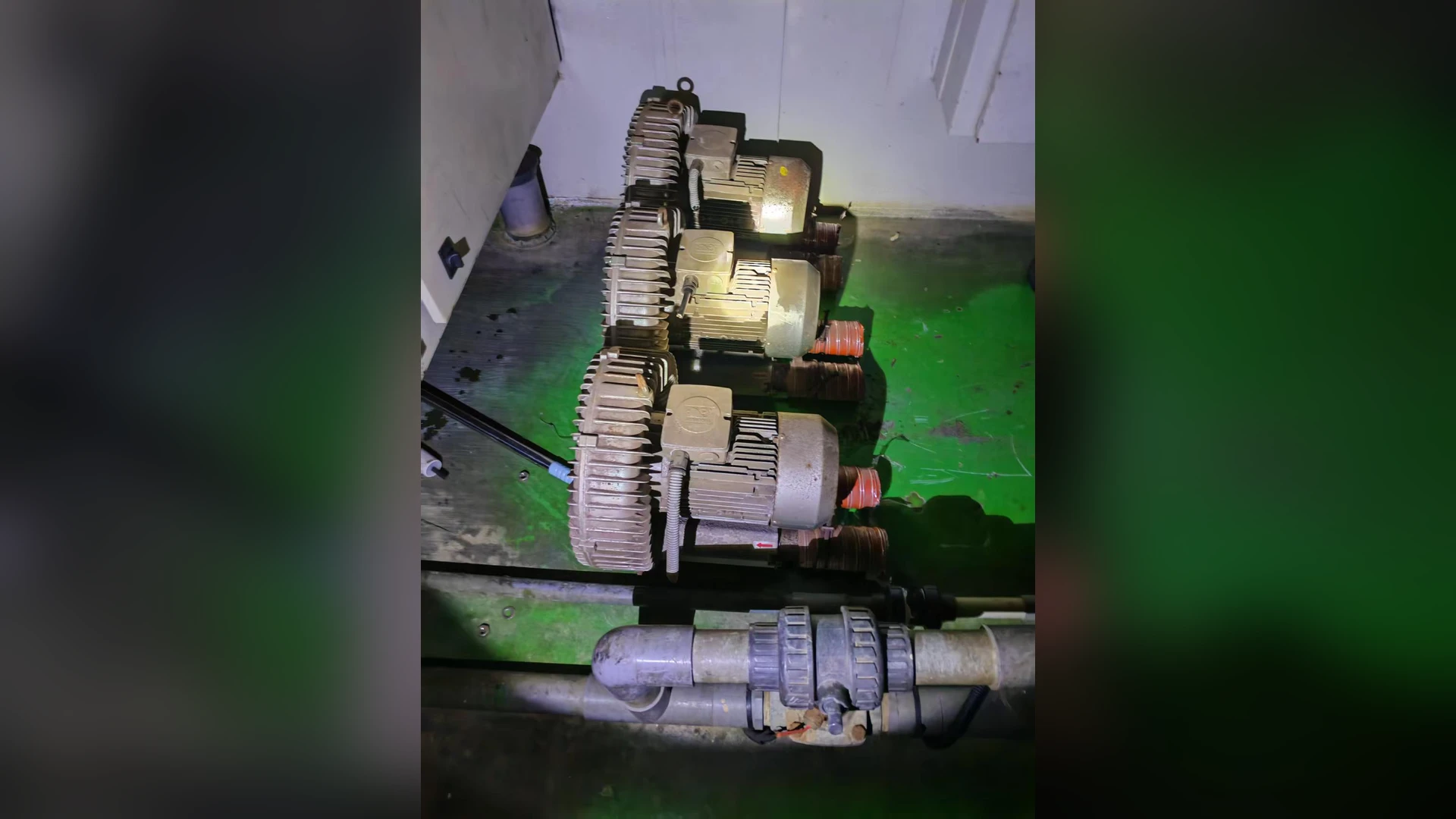
On a shared air header, a running blower can pressurize the connection to a stopped standby blower. If the standby branch is not isolated as designed, air may flow backward into that branch. The symptom may be lost useful flow, unexpected pressure at the stopped unit, abnormal changeover behavior or movement in an unpowered assembly. These are clues, not proof of the flow direction.
Do not use a hand, loose paper or an exposed port to check a pressurized line. Plan the test with the plant’s isolation and guarding procedure, and use installed or temporary instruments rated for the service.
Draw the actual air path first
Mark the discharge of each blower, any nonreturn device, isolation valve, flexible connection, shared header, branch takeoffs and pressure tap. Confirm valve orientation from the manufacturer’s markings and installation record. A valve shown in a drawing is not proof that the installed valve is present, correctly oriented or sealing.
Identify the intended states: lead running/standby stopped, standby running/lead stopped, and the brief changeover interval. If both machines can run together, include that state. Towwind’s centralized-system guide describes the distribution choices; the present test checks one isolation function within a built system.
Compare readings with the standby branch stopped
At a stable, approved production condition, record the running blower status and header pressure. Measure pressure on the header side and the blower side of the standby branch isolation device, if safe test points exist. Note whether the stopped branch warms, produces sound or shows other unusual behavior. None of those observations alone confirms reverse flow; a leaking valve, trapped pressure or another connected source can produce similar signs.
Where the plant permits it, compare readings before and after a controlled closure of an independent standby-branch isolation valve. A change in header flow or pressure can help localize a leak path, but changes in process demand must be ruled out. Never close the only discharge path of a running blower. Follow the equipment supplier’s allowable operating limits.
Verify the changeover sequence
Test the approved lead-to-standby transition while logging pressure, blower-ready signals and valve position feedback. Watch for a pressure dip, unintended simultaneous isolation or backfeed into the unit that is stopping. A check valve can be stuck, damaged or slow even when the actuator feedback says the separate isolation valve has moved. If a fault is suspected, isolate and inspect the component using the site’s maintenance procedure rather than repeatedly cycling the plant.
The aquaculture backup-air guide explains how to plan continuity of service. A verified standby-branch isolation test is one part of proving that plan. The test applies to any compatible shared-header process; acceptable interruption time depends on the actual process.
When considering TW750, TW1500 or TW2000 on a shared header, check each operating mode against its verified curve and confirm branch isolation hardware separately. Send Towwind the header drawing, operating modes and measured duty for a system review.