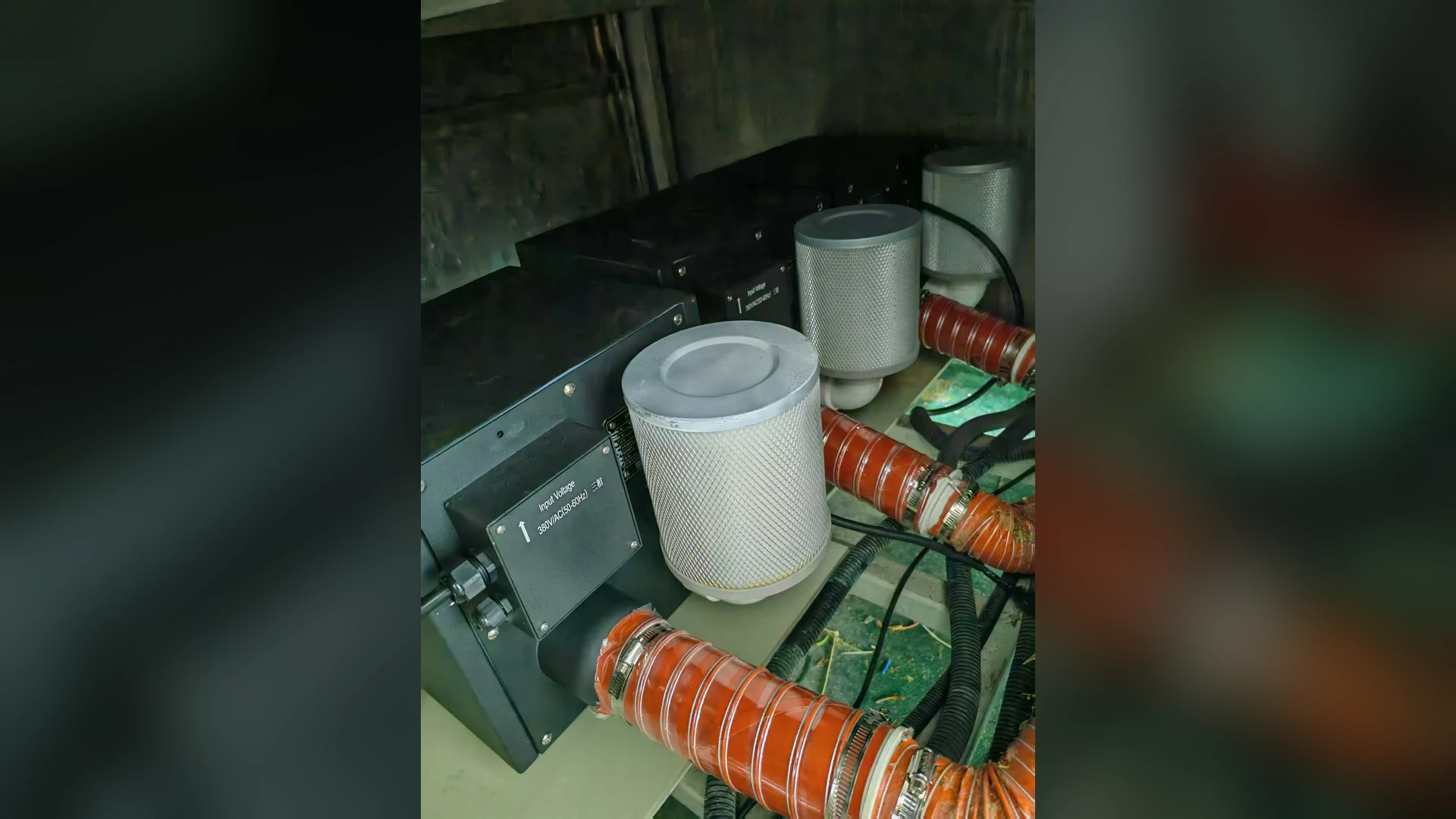
Reusing existing air ducts may save installation work, but a duct that mechanically fits a new blower is not automatically suitable for a food-packaging air-knife line. Qualification has two parts: the duct must deliver the required airflow at the actual operating pressure, and its internal condition must meet the site’s approved air-quality and hygiene requirements at the point of use.
This is a retrofit acceptance decision. Towwind’s general pipe-reuse guide covers diameter, pressure loss and mechanical fit. The checks below add the food-site condition and validation record.
Confirm what the duct has carried
Review the as-built route and its use history. Was it dedicated to process air, or previously connected to another service? Inspect accessible sections for oil, dust, corrosion, standing water, loose lining, damaged gaskets, deteriorated flexible hose and hard-to-clean branches. Identify any point where a cleaning solution or product residue could enter. A clean exterior does not establish a clean interior.
Ask the site quality owner to define the required cleaning, inspection and release method. Do not claim that a visual check, an oil-free blower or a filter by itself makes the air suitable for a particular product. Towwind’s food-packaging air-quality checklist identifies where to verify the final air path.
Measure the installed flow path
Record actual internal diameter, length, bends, reducers, flexible sections, branch takeoffs, nozzle connections and available test points. Compare pressure before and after the existing duct at the relevant operating modes, with measurement locations stated. A nominal duct size or old blower nameplate is not enough. A section with deposits or internal damage may have more loss than a drawing suggests.
Check whether cleaning or replacing one problem section would change the pressure loss. If modifications are proposed, test the resulting system at production speed with all intended branches operating. Avoid presenting an adapter as a cure for a restrictive or contaminated duct.
Validate the outlet, then record the decision
After cleaning, repair or replacement, verify the air delivered at the relevant air-knife outlet using the site’s approved quality method. Include the production format and cleaning state that place the greatest demand on the system. Record the inspection findings, remedial work, pressure and airflow measurements, quality release and sign-off. If a hidden section cannot be inspected or validated, label it unresolved rather than assuming it is acceptable.
The final blower decision should compare required flow and pressure at the installed point with the verified curves of TW750, TW1500 and TW2000. Duct hygiene and material approval remain the site’s responsibility. Send Towwind the duct survey, operating measurements and process-air acceptance criteria for a technical review.