
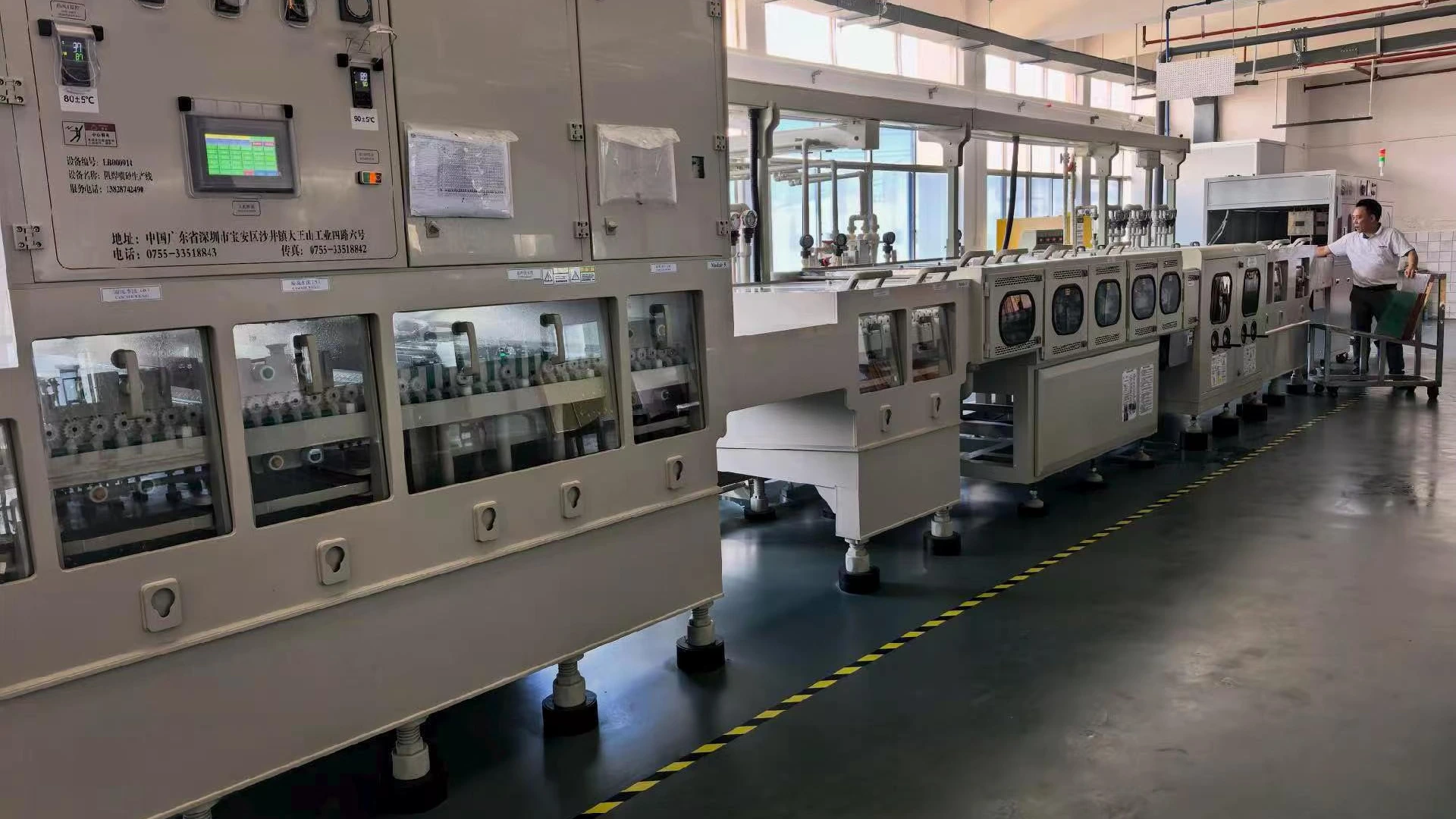
A responsible comparison asks whether both systems remove water from the same boards at the same conveyor speed, with the same air knives operating. It also accounts for pressure, airflow, real input power, control behavior, maintenance and the work required to integrate the replacement. Once those items are visible, buyers can distinguish a genuine efficiency improvement from a proposal that simply supplies less air.
Quick Answer
A controllable energy saving blower may reduce PCB drying energy when the existing ring blower is oversized, throttled or operated at full speed during low-demand production. It can also provide more useful recipe control. However, a ring blower may remain appropriate when the required pressure-flow duty, process conditions or project constraints favor the existing technology.
Do not decide from rated kilowatts. Establish the current operating point and accepted drying result, obtain the proposed blower’s performance at that same duty, and run a representative wet-board test. Measure complete electrical input for both arrangements. The better option is the one that meets the production requirement with acceptable operating risk and total cost.
What the Two Product Descriptions Really Mean
Ring blower, regenerative blower, side-channel blower and vortex blower are often used for closely related machines. Air is accelerated through a side channel in repeated stages, allowing the unit to develop pressure or vacuum without oil in the air path. These blowers are widely used because they are mechanically familiar, readily available and capable of continuous industrial service when correctly applied.
“Energy saving blower” describes a product objective rather than one universal aerodynamic category. In Towwind’s range, the package combines a high-speed motor, blower stage, electronic control and adjustable output. The proposed benefit comes from the complete package and how it is matched to the real duty—not from the label alone.
This distinction matters in procurement. Two devices with different internal designs can both be suitable, or unsuitable, for the same dryer. Technology names do not replace a pressure-flow comparison.
First Compare the Drying Result
Before reviewing electricity, write down what the existing system achieves. Use a demanding but normal production condition. Record:
- PCB size, thickness and relevant surface features;
- incoming water condition after the final rinse;
- conveyor speed and production recipe;
- number, angle and position of air knives;
- branches and valves open during the test;
- visible moisture at holes, edges, fixtures and flat surfaces; and
- the downstream quality requirement.
The comparison must hold these conditions steady. A lower-power unit that requires slower conveyor speed has shifted energy or capacity cost elsewhere. Similarly, a trial on an easy bare panel does not prove performance on the board family that retains the most water.
Agree on acceptance before the test. A useful statement might require no visible water at named inspection points after the drying section while the line runs a defined board at a defined speed. Where downstream coating, inspection or electrical testing imposes a tighter moisture requirement, use that criterion instead.
Then Establish the Operating Point
The air-knife system creates resistance. Filters, bends, hoses, reducers, manifolds, valves and narrow slots all contribute. The connected blower settles at the point where its curve meets that system resistance. Pressure and airflow must therefore be considered together.
Measure pressure at clearly identified locations, ideally including the blower outlet and knife manifold. If practical, measure airflow using a method suited to the duct and flow profile. Record instrument type, units and test conditions. Where reliable airflow measurement is not possible, retain the pressure readings, knife dimensions, piping layout and verified process result for the supplier’s engineering review.
Do not compare maximum pressure from one datasheet with maximum airflow from another. Each is normally a separate endpoint. Ask both suppliers for the relevant performance curves and locate the required duty on each curve. A claimed “equivalent” blower should have evidence at the installed operating point, not merely at an open outlet.
Where Energy Savings Can Come From
An old ring blower may consume more energy than the process needs for several reasons. It may have been selected with a large safety factor. The original machine may have been designed for more knives than are now used. Operators may control excess air with a valve while the motor continues running at full speed. Production may also spend long periods on boards that require less drying duty.
An adjustable blower can address part of that mismatch. Output can be commissioned for the real system, and different settings can be assigned to different product recipes. During a planned pause, the machine may reduce or stop blower output if the process and restart sequence allow it.
Efficiency cannot be inferred from nameplate power, however. The old rating is a limit or nominal motor value, not a record of actual input. The proposed rating is also not the guaranteed running consumption at the desired duty. Measure active power or kWh at the incoming supply to the complete blower package. Include its electronic controller when applicable.
An oversized, lightly loaded existing blower may offer an energy-reduction opportunity, but the outcome must be tested at the same accepted PCB drying duty. Pipe losses, filter condition, production hours and control strategy affect the comparison.
Towwind Range: Facts for Shortlisting
The Towwind model families may be shortlisted, but exact duty, electrical and installation specifications require a reconciled released revision for the selected variant.
For a PCB drying shortlist, compare the TW750B, TW1500B and TW2000B families against the measured air-knife duty using released curves, delivered electrical data and final installation drawings. Family names and motor classes do not verify the installed airflow or pressure.
Maximum pressure and maximum airflow are separate curve points and are not available simultaneously; obtain the released model curve before selection.
Confirm the delivered model’s usable control range, frequency, protection, bearings, certification, noise test conditions, dimensions and weight from the released documents. Installed sound depends on duty and measurement position, not a catalogue label alone.
Use the model shortlist to request the correct voltage variant and released curve. Final review requires an acceptable operating region and installation drawing; confirm the outlet connection before fabricating pipework.
Control Is a Practical Difference
A traditional ring blower often runs as a fixed-output device, although external drives or other controls may be available for particular motor arrangements. Excess air is commonly managed through valves, relief paths or process changes. That approach is familiar, but it can waste energy if restriction is used to control a consistently oversized blower.
An adjustable controller may help match output to validated process recipes, but its usable range must be confirmed for the delivered model. Before buying, confirm command, status, alarms and recovery behavior; the PLC must prevent an unapproved low setting from passing as normal production.
Control range is useful only when it is commissioned. Establish the lowest setting that still passes the most relevant wet-board test, then add an engineering margin. Lock or supervise the approved settings and record any changes. Otherwise, gradual adjustment by different operators can erode the original validation.
Compare Maintenance and Failure Consequences
Ring blowers are familiar to many maintenance teams. Existing spares, repair contacts and mounting arrangements may reduce risk. On the other hand, an aging unit can bring bearing noise, rising temperature, leakage, declining output and difficult spare-part sourcing. Repeated emergency repairs may justify replacement even when the energy case alone is modest.
An energy saving blower introduces an electronic controller and a different service path. Buyers should ask which components are field-replaceable, what alarm information is available, what warranty applies and how quickly technical support and spare units can be supplied. The line’s downtime cost may be more important than a small difference in purchase price.
For either technology, filter and air-path maintenance remain essential. A loaded inlet filter or blocked knife raises system resistance and reduces usable air. Good baseline readings—pressure, input power, setting, temperature and drying result—help a technician separate a blower fault from a system restriction.
Retrofit Work That Must Be Priced
A fair commercial comparison includes the full conversion, not only the blower. Review mounting holes, orientation, port size, flexible connectors, pipe supports, inlet filter access, cooling clearance, electrical protection, cable size, grounding, PLC I/O and alarm logic. Check how liquid backflow is prevented during shutdown and washdown.
Also plan the production changeover. Preassemble adapters and wiring where possible. Define a rollback method if the acceptance test fails. Keep the existing blower serviceable until the replacement proves the demanding production modes. These steps reduce the chance that an energy project becomes an extended line stoppage.
A Buyer’s Comparison Table
| Decision item | Existing ring blower | Proposed energy saving blower |
|---|---|---|
| Drying result | Document current accepted baseline | Must equal or improve baseline |
| Pressure and airflow | Measure installed duty | Verify curve at same duty |
| Power | Log actual complete-system input | Log actual complete-system input |
| Control | Record valves, drive and operating modes | Confirm adjustment, PLC command and fail state |
| Installation | Existing and proven | Price adapters, mounting, wiring and cooling space |
| Maintenance | Known skills and spares | Confirm alarms, parts, warranty and response time |
| Risk | Aging or inefficient equipment may remain | New integration and validation required |
| Economics | Current energy and repair cost | Purchase, installation, energy, service and downtime |
This table prevents one-sided quotations. It gives engineering, maintenance and purchasing teams a common record for approval.
How to Run the Final Trial
Inspect and clean the existing system before comparison; otherwise, a dirty baseline can exaggerate the improvement. Test the old arrangement under a representative load and log kWh or active power, pressures, line speed, active knives and drying result. Then install or temporarily connect the proposed unit without changing the acceptance standard.
Test easy, normal and demanding boards. Confirm behavior after warm-up and during a long enough run to expose temperature or alarm issues. If output is adjustable, document the accepted setting for each recipe. Photographs and a signed result sheet are useful evidence, especially when purchasing approval depends on claimed savings.
Calculate annual energy from measured average input multiplied by representative operating hours. Apply the site’s actual electricity tariff and state whether demand charges are included. Add realistic maintenance and downtime differences separately. This produces a traceable total-cost comparison rather than a headline percentage.
Final Recommendation
For many PCB drying lines, a correctly selected and commissioned energy saving blower can replace an oversized fixed-output ring blower and reduce electricity use while providing better recipe control. It is not automatically the right answer for every line. The proposed unit must meet the same installed duty and pass the same production acceptance test.
Send Towwind the existing blower nameplate, measured input power, outlet and manifold pressure, air-knife layout, pipe sizes, line speed, board mix, working hours, voltage and available space. With those facts, the model family and trial plan can be reviewed on evidence. That is the point at which “ring blower versus energy saving blower” becomes an engineering decision rather than a marketing comparison.
Frequently Asked Questions
Is a lower-rated blower automatically more efficient for PCB drying?
No. It must deliver the required airflow and pressure and achieve the same drying result at the same line speed. Compare measured input only after process equivalence is established.
Can Towwind replace any PCB ring blower?
No universal replacement can be promised. Suitability depends on the installed operating point, air-path resistance, board requirement, electrical supply, controls and available space.
Why is an adjustable blower useful on a PCB line?
Different boards and conveyor speeds may need different air output. Validated settings can reduce unnecessary power during lighter duty while preserving a higher setting for demanding products.
What is the best way to prove energy savings?
Log complete-system kWh or active power for both arrangements while running comparable boards, line speeds and knife configurations to the same drying acceptance standard.
Should maintenance cost be included in the comparison?
Yes. Include filters, expected service, spare parts, technical support, repair labor and the production cost of downtime. Keep estimates separate from measured historical costs.