
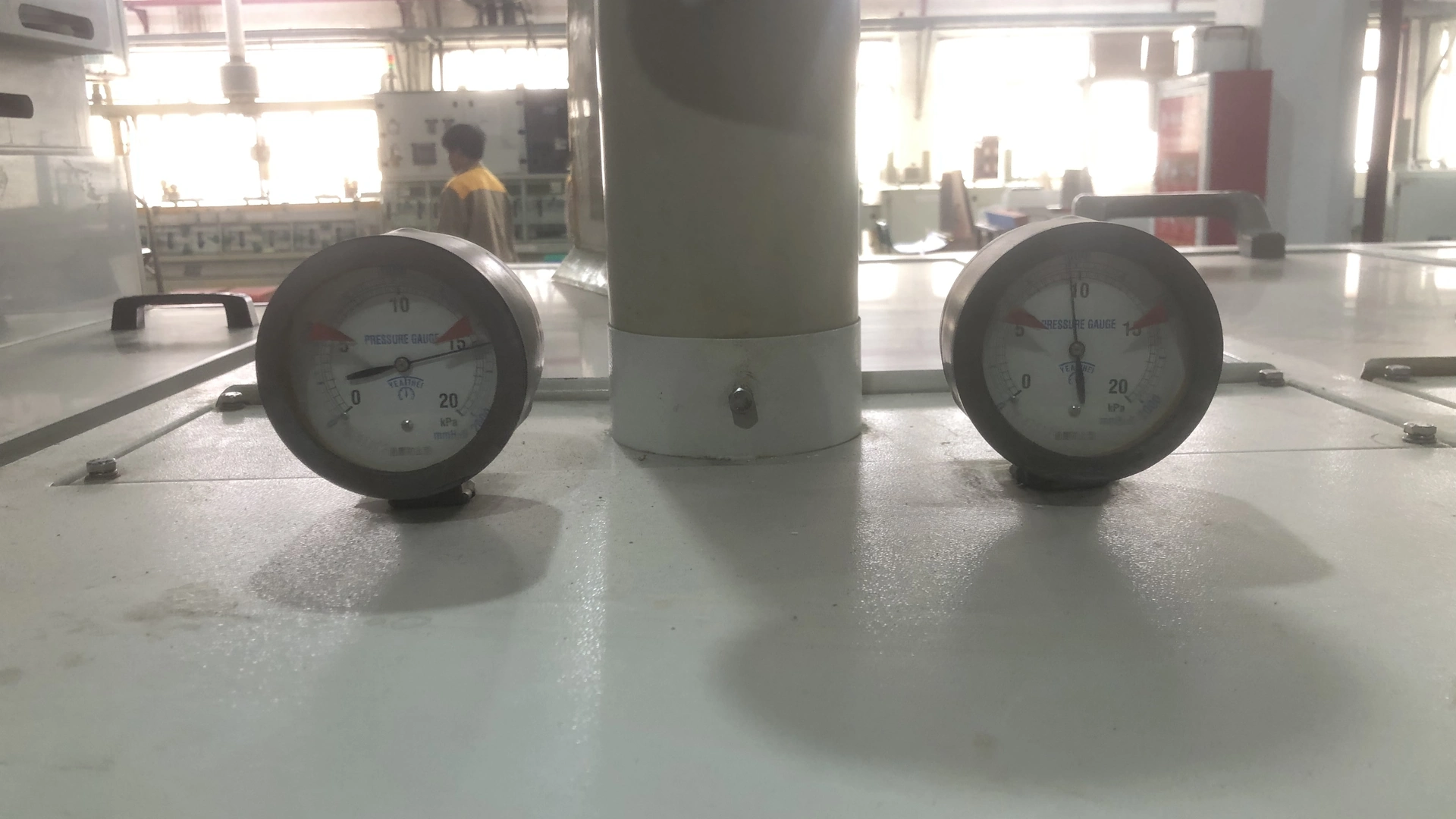
One suction head holds a product reliably; opening the second makes both weak. That does not automatically mean your side channel blower has failed. Each added pickup changes the total air demand and the pressure loss through the shared hose or manifold. A leaking unused branch can create a similar symptom without doing any useful work.
Map the pickups that are actually open
Start with a simple drawing: blower inlet, manifold, each branch, valve and pickup. Mark which points operate at the same time. Record vacuum at the manifold and at the weakest pickup for one point, two points and the full production pattern. A reading at the blower alone cannot tell you whether the loss is in the branch or at the process end. Compare identical products and seals during the sequence.
Check connections and flexible hoses that move with the machine. A split that opens only under motion can be missed in a static inspection. If one branch causes a disproportionate drop, inspect its valve, cup or fixture before increasing blower capacity. Do not obstruct the inlet or change relief protection to “prove” the motor is strong enough.
Check the pressure–flow envelope
A regenerative blower sold for vacuum service has a usable performance curve, not one vacuum number that applies at every flow. Get the exact model and stage arrangement, then compare the simultaneous pickup demand with its curve. Keep the measurement definition consistent: manifold vacuum, pickup vacuum and the maker’s test conditions are not interchangeable. For the broader pressure-versus-vacuum distinction, see the existing side-channel replacement checks.
The site’s industrial air-knife application shows a separate positive-pressure use of blower air. It is linked here to clarify the boundary: a pressure-air application is not evidence that the same equipment suits a vacuum pickup line.
What should you do next?
Fix an identified branch leak or fixture issue, then repeat the opening sequence. If the old vacuum blower cannot satisfy the verified simultaneous duty, ask a vacuum-equipment supplier for a model-specific proposal. Towwind’s TW750, TW1500 and TW2000 pages describe pressure-air series for comparison with other machine duties; this article does not claim that any of them can replace a vacuum unit. Send the pickup count, valve sequence, vacuum readings and a branch drawing with your inquiry.