
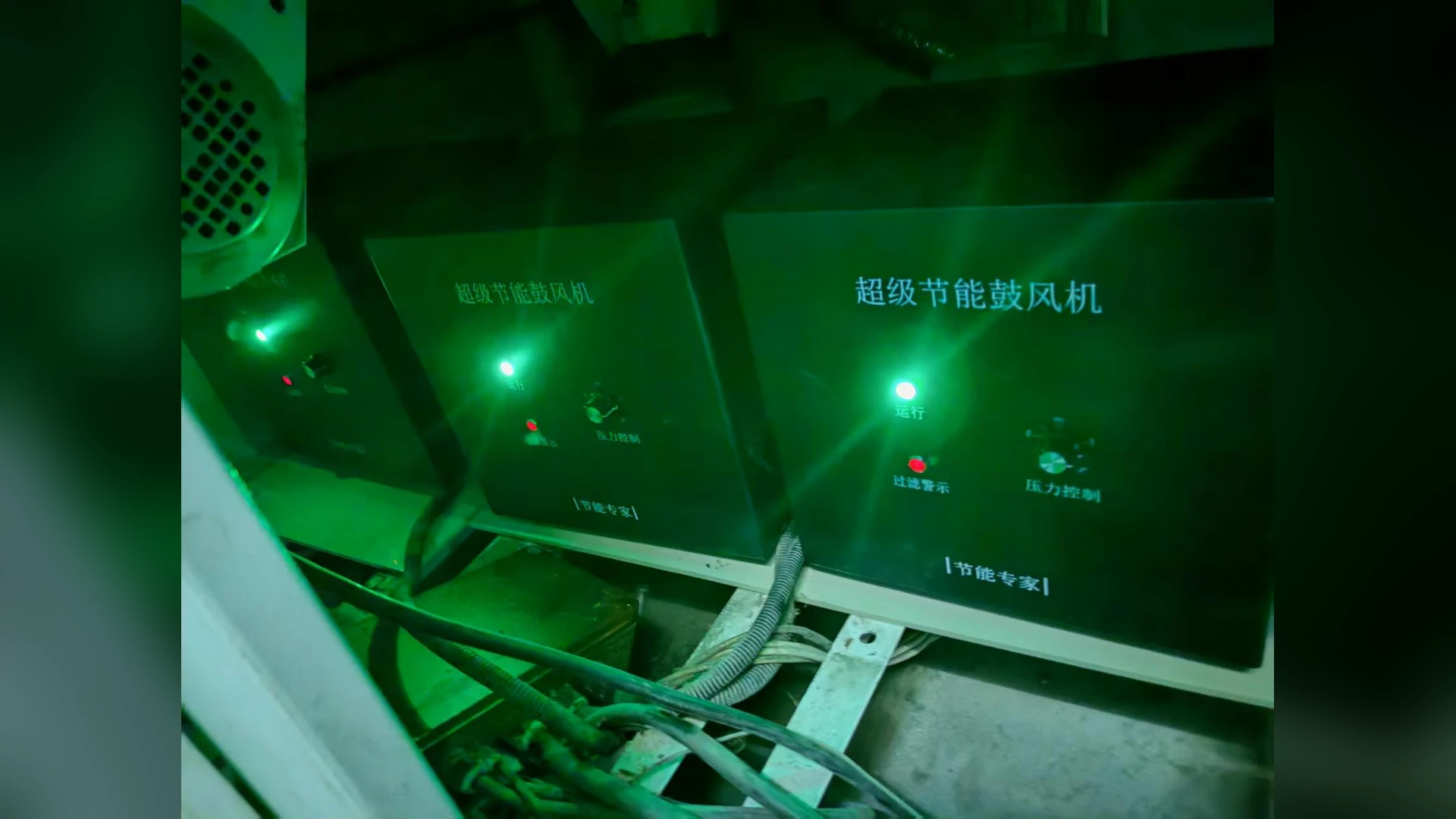
Some machines need air only during a short blow-off, inspection or drying step. The blower may be asked to start repeatedly, run for a brief period and stop before the next product arrives. Selecting it from airflow and pressure alone leaves out the operating pattern. The controls, motor and electronics must be suitable for the actual cycle.
Towwind already covers continuous-duty blower sizing. This article addresses equipment with repeated starts, stops or rapid changes in demand.
Write the cycle before choosing the control strategy
Record how long the process needs air, how often that event occurs, how long the machine waits between events and how many cycles occur during the busiest shift. Note whether several air knives or stations demand air at once. A nominal “eight-hour shift” says little about start frequency or useful blower-on time.
Distinguish four actions that are often mixed together: starting the blower from rest, reducing its speed, closing a branch while the blower continues, and keeping it at a ready setting between products. They have different effects on air delivery and energy use. The appropriate choice depends on the exact model’s permitted controls and the process response time.
Check process timing
The air may need to reach its accepted flow and pressure before the product enters the drying zone. If the machine gives a start command only when a sensor sees the product, the available lead time may be too short. Record command time, run feedback, time to stable air delivery and product arrival. Define what the machine should do if stable air is not available.
Do not infer readiness from a motor-running signal alone. A blocked filter, closed valve or incorrect speed reference can leave the blower running without useful process air. A pressure or airflow check at an appropriate point may be part of the acceptance plan, subject to the machine builder’s design.
Compare control options with the real duty
Repeated starts may create electrical, thermal and mechanical demands that a steady-operation comparison misses. Running continuously at high output while most of the air is bypassed can waste electricity. A lower ready setting or staged control may be an option, but it must still meet process timing and the manufacturer’s permitted operating range. Do not set a universal maximum starts-per-hour figure from a generic article.
For each proposed mode, confirm the exact model’s start/stop limits, ramp behavior, alarms, interlocks, cooling requirements and power input. Towwind’s control and alarm interface article lists integration checks that also apply to equipment builders.
Run an acceptance test across the busy period
Test the most demanding approved production schedule, including consecutive short cycles and a changeover. Record start command, stable-air confirmation, process result, electrical readings and any fault. Confirm that the unit remains within its model-specific limits and that the machine responds predictably to a missed start or alarm. Repeat after normal filter loading and maintenance conditions are represented, if the site test plan permits.
The final specification should include both the air duty point and the cycle profile. The TW750, TW1500 and TW2000 are candidates to review against both requirements; the exact variant’s permitted cycling must be confirmed. Send those records, the electrical supply and the control sequence to Towwind for a model review. A recommendation based only on a peak airflow number may fit the air demand but fail the machine’s timing requirement.