When a blower stops or the air delivered to an air knife falls below the validated range, the drying line needs a product-handling response, not just a blower alarm. Products already between the washer and the downstream acceptance point may be wet even if the line keeps moving. Define where those products are, how they will be held or reprocessed, and what evidence permits a restart.
This article addresses the drying process after an air-loss event. For preserving the blower fault record itself, use Towwind’s blower alarm response guide.
Define the event at the point that matters
A motor-run signal alone does not prove useful air reaches every knife. Decide which observable signals represent the validated drying condition: air pressure at a named manifold location, branch flow where measurable, blower status, and a process-quality check. Set alarm thresholds from commissioning data for the actual product, line speed and nozzle arrangement. Do not copy a generic pressure number into another line.
Record the delay between air loss and detection. If the signal is upstream of a hose, valve or branch, a downstream blockage or disconnect may be missed. Use the air-path inspection method when deciding where sensing belongs.
Track the affected product window
At the time of the event, identify the first item that could have entered the drying zone after air delivery became inadequate and the last item that passed the downstream check before the line was secured. Conveyor position, encoder count, batch number and event timestamps can define this window. Where tracking resolution is poor, use the more conservative hold boundary agreed by quality and operations.
Decide in advance whether the line should stop, divert, hold, or continue to a controlled collection point. The right action depends on the next process. A wet PCB before coating, a wet glass panel before assembly and a wet container before labeling do not share one release rule. The acceptance criterion must belong to the product owner, not be inferred from the blower nameplate.
Separate recovery from release
Restoring blower operation is only the first recovery step. Confirm the air path and each active knife, run the line at the relevant speed with representative products, and inspect the downstream result using the site’s approved method. Include the most difficult product orientation or format. If several branches share one blower, verify the far branch as well as the nearest branch.
Release held product only through the site’s quality procedure: re-dry, inspect or scrap as appropriate. Record who made the decision and what evidence they used. A reset button should not silently clear the product hold.
Put the sequence into the equipment specification
An equipment builder should specify detection point, response delay, conveyor action, product tracking, restart interlock, alarm history and acceptance test. During commissioning, simulate the permitted fault cases under controlled conditions and confirm that the actual item window is captured. Initial drying-line checks establish normal operation; this test establishes what happens when normal operation disappears.
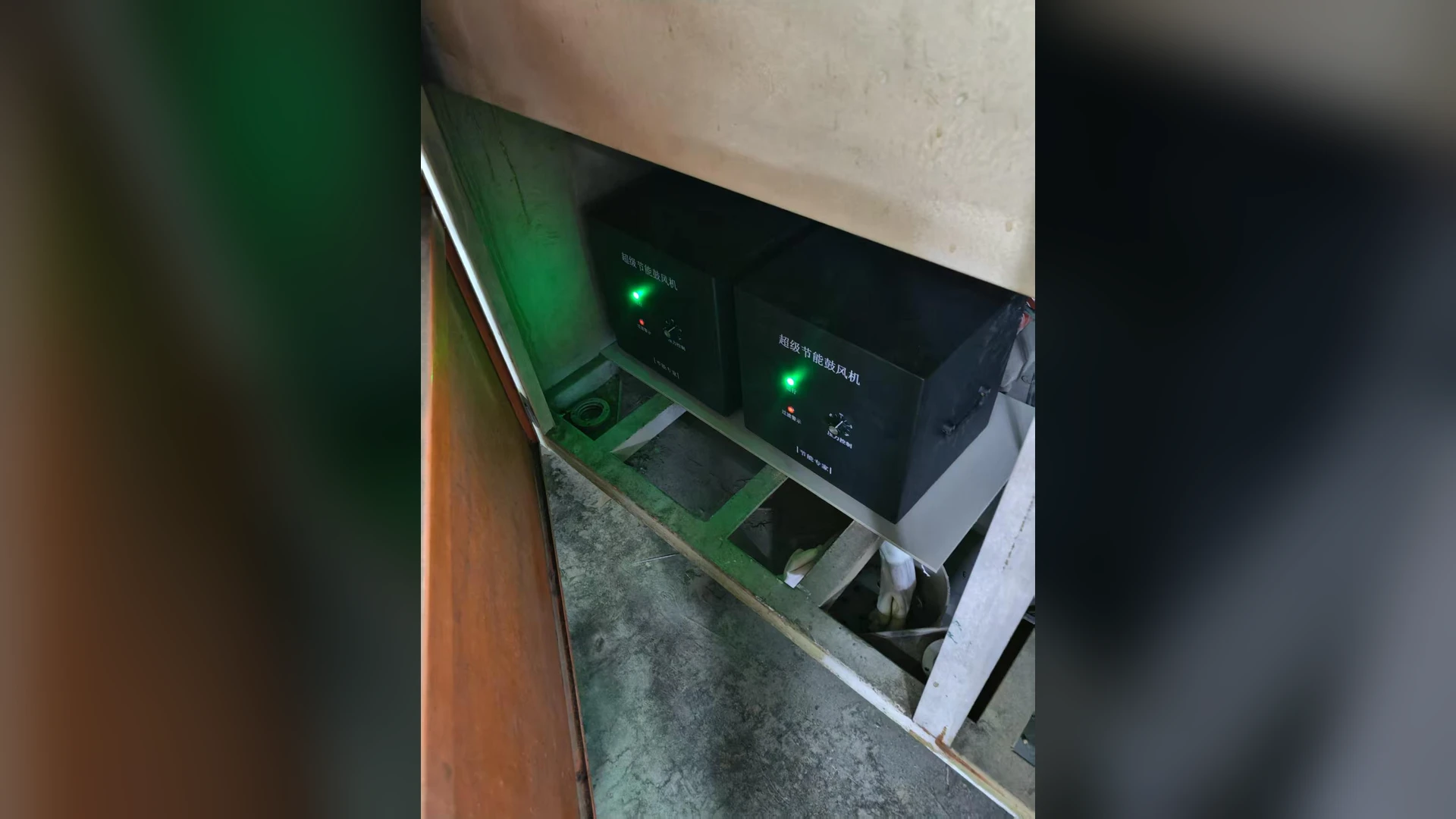
Towwind energy saving blowers can be reviewed as the air-supply component of such a system. Model selection among TW750, TW1500 and TW2000 still requires the required airflow and pressure at the installed operating point. The machine controller and product-quality procedure define the event response.
For a review, send Towwind the air demand, manifold layout and current alarm sequence, including where wet product first becomes unacceptable.